Basic Knowledge of Photoelectric Sensors

Sensor Structures and Selection of Photoelectric Sensors

Detection Method

Type Detection method Description Popular models
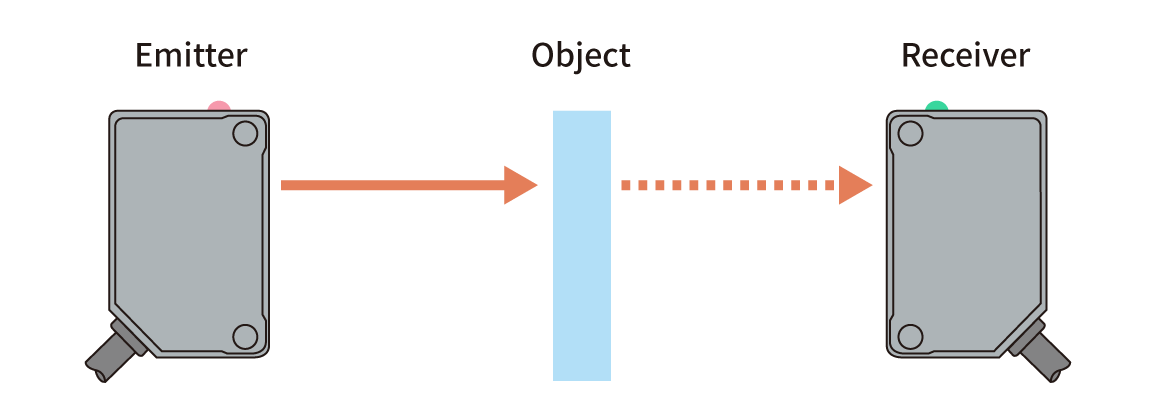
Through-beam Photoelectric Sensors | Through-beam
  • Each of emitter and receiver units are used in a pair.
  • Since the amount of light received is relatively high, it is less influenced from dust in environment.
Z4T-2500N
ZT-L3000N
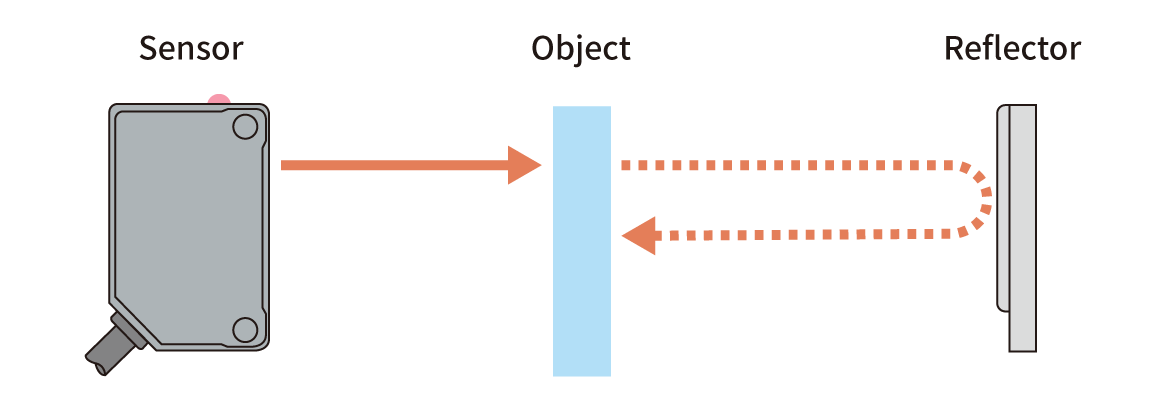
Retro reflective Photoelectric Sensors | Retro-reflective
  • A pair of sensor and reflector is used.
  • These require less installation space and wiring, compared with through-beam type.
Z4R-400N
ZR-L1000N
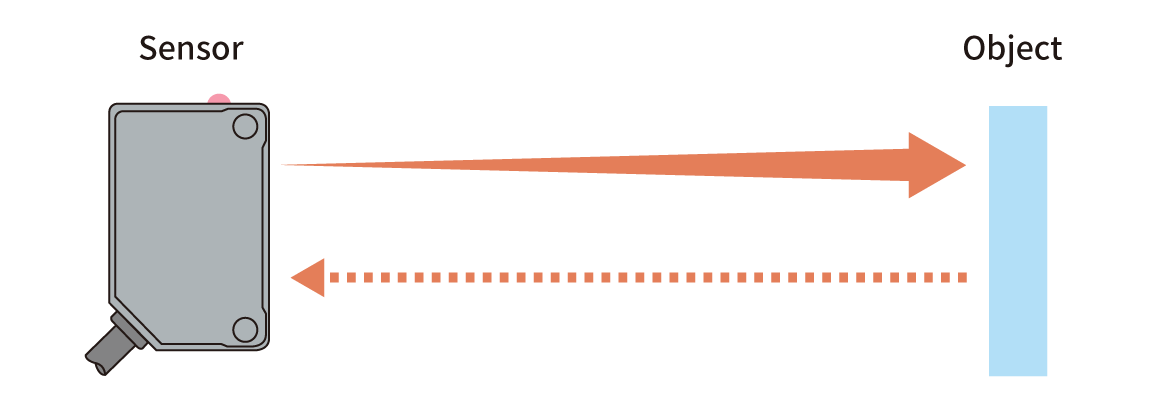
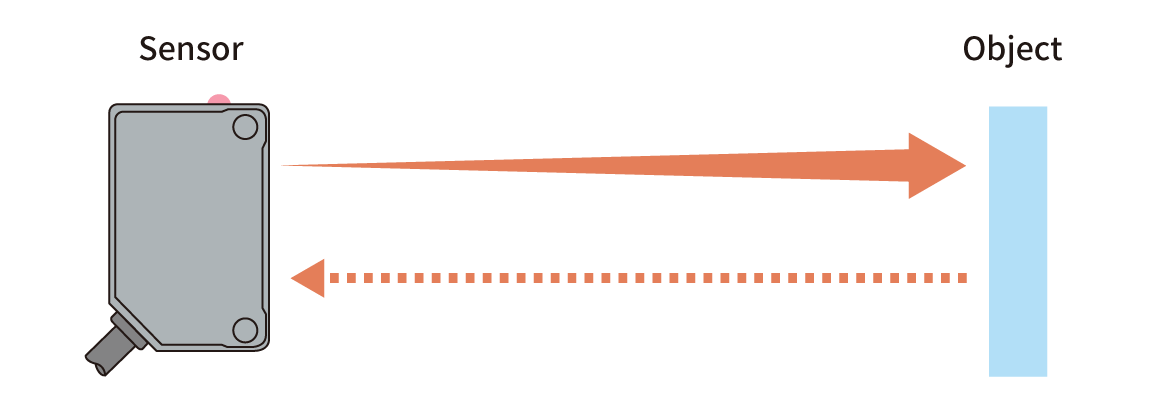
Diffuse reflective Photoelectric Sensors | Diffuse-reflective
  • A single unit of sensor detects light reflection from an object.
  • These require less installation space and wiring.
Z4D-100N
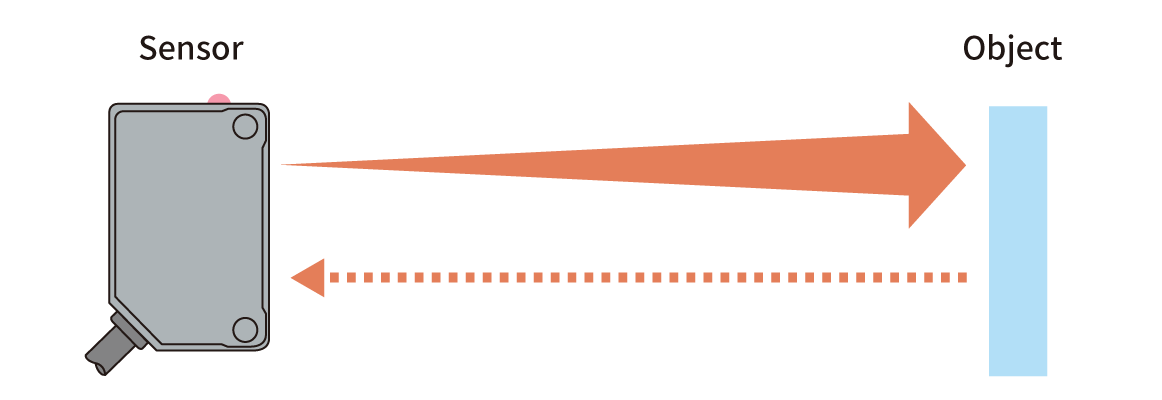
Wide-angle diffuse reflective Photoelectric Sensors | Wide-angle Diffuse-reflective
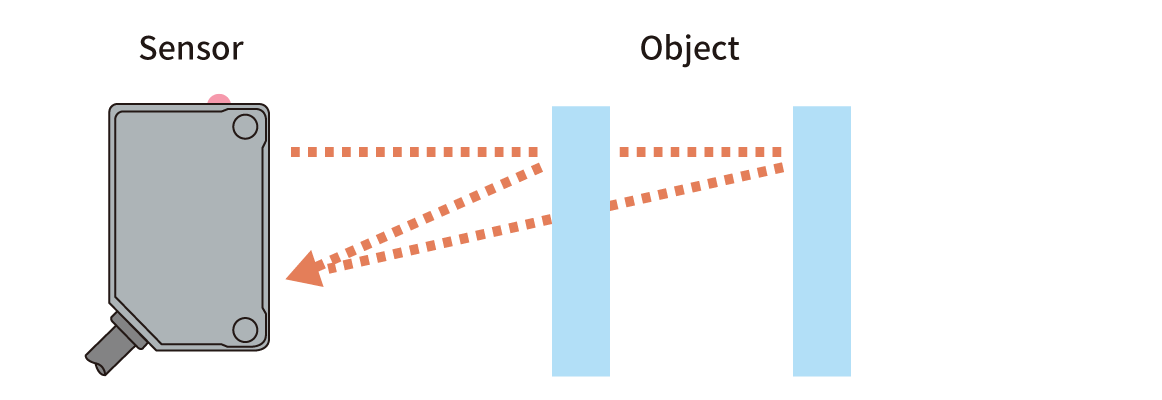
  • A wider aperture angle is equipped to detect a small difference in received light amount. These are suitable for detecting transparent objects and objects with holes or gaps.
Z3D-W20N
Back Ground Suppression Photoelectric Sensors | Background Suppression Detection
  • A light receiving element of 2-PD, PSD or C-MOS is used to make an output upon detection at a preset distance. Detection of these models are less influenced from colors and materials of an object.
ZA-BL60
BGS-ZL10N
Z4B-10N
BGS-2V50
Transparent-object detection Photoelectric Sensors | Background Suppression
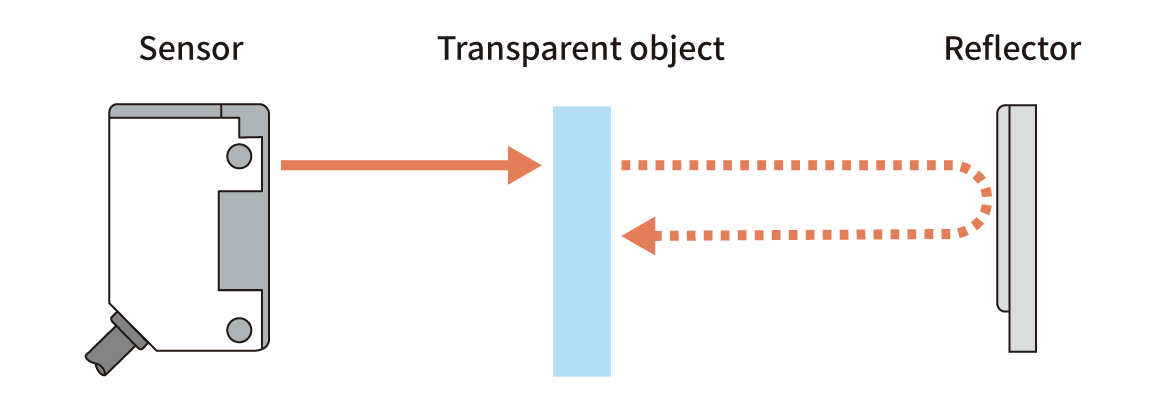
  • A pair of unit with a low hysteresis and reflector detects a small difference in received light amount. These are suitable to detect a transparent object, such as a film or glass.
DR-Q400TN
ZR-QX200N
KR-Q50NW
KR-Q300NW
Separate amplifier Photoelectric Sensors | Separate Amplifier
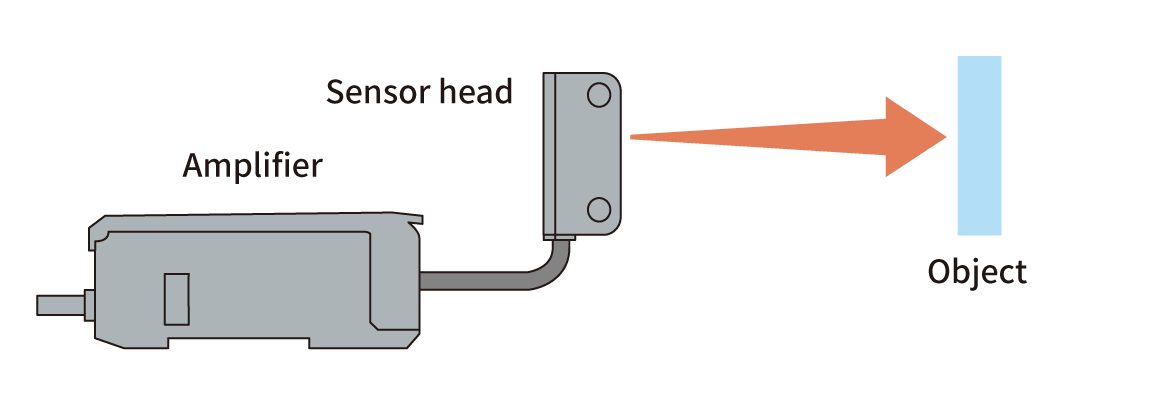
  • A combination of sensor head and amplifier can be selected according to application requirements.
  • Various detection configurations can be set on an amplifier.
D2SA-MN
DSD-100
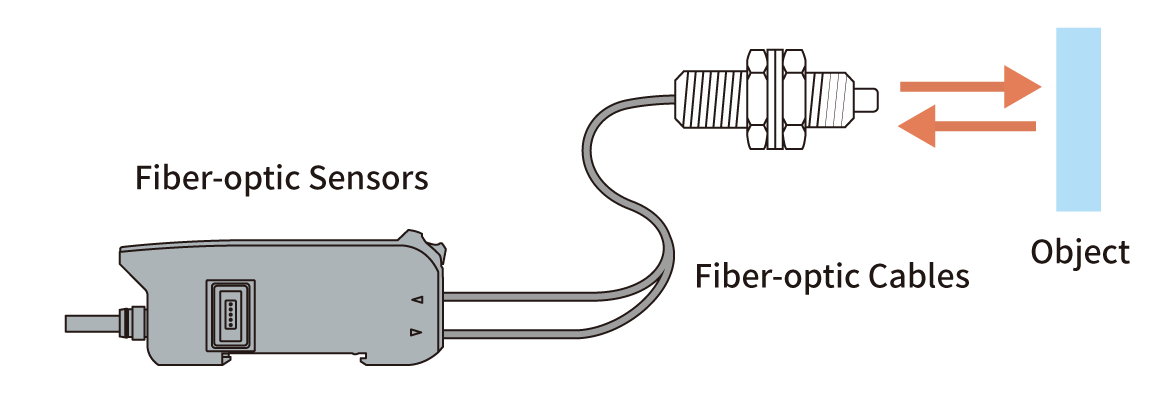
Fiber-Optic Cables Photoelectric Sensors | Fiber-Optic Cable Structure
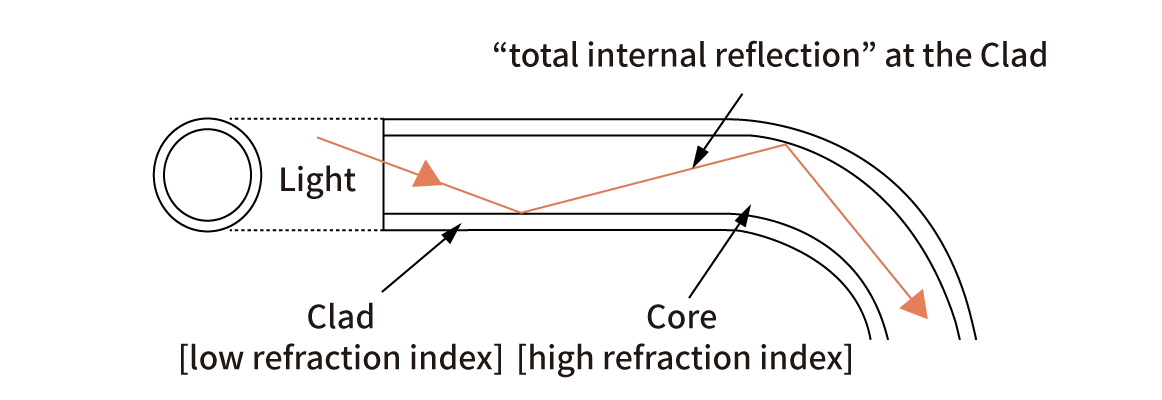
  • An optical fiber is used to transfer light from emitting part to receiving part of the sensor.
NF-DB01
NF-DF08
NF-TR01
NF-DC39
Fiber-Optic Sensors Photoelectric Sensors | Fiber-Optic Sensor
  • A combination of Fiber-Optic Cables and Fiber-Optic Sensors can be selected according to application requirements.
  • Small dimensions of Fiber-Optic Cables makes its installation possible in a small space. Combinations of various models can be made, even for detection of a color, height gap and liquid level.
D4RF-T
Color/Mark detection Photoelectric Sensors | Color Mark Detection
  • High resolution sensors can detect subtle color differences and contrast.
DM-18TN

How to Select a Photoelectric Sensor

Purpose and condition To be considered Applicable sensors
Selection by detection Positioning by detection of presence
  • Positioning accuracy
  • Easy installation
  • Through-beam
  • Laser
  • BGS
Small-object detection
  • Small spot sizes
  • Adjustable sensitivity
  • Fiber
  • Laser
Detection of fast-moving objects
  • Short response time
  • Fiber
Transparent-object detection
  • High-sensitivity/retro reflective
  • Transparent-object detection
Detection of surface unevenness
  • Small hysteresis
  • Diffuse reflective
  • BGS
  • Displacement
Color mark detection
  • Colors of color mark, background and sensor light
  • Short response time
  • Color mark detection
  • Fiber
Color contrast detection
  • High resolution
  • Mark sensor
Detection of less influenced by color differences
  • High-resolution receiver element
  • Laser BGS
Selection by installation location Small space
  • Small sizes
  • Fiber
  • Miniature, Head-on/side-on
Installation on one side
  • Diffuse reflective, Limited diffuse reflective
  • BGS
Reflection from background
  • Small hysteresis
  • BGS
Influence from ambient illuminance Wider resistance against ambient illuminance
  • Laser
Robustness
  • Resin filled
  • Metal housing
Location with water
  • High water resistance
  • IP67, IP69K
Download List
20